
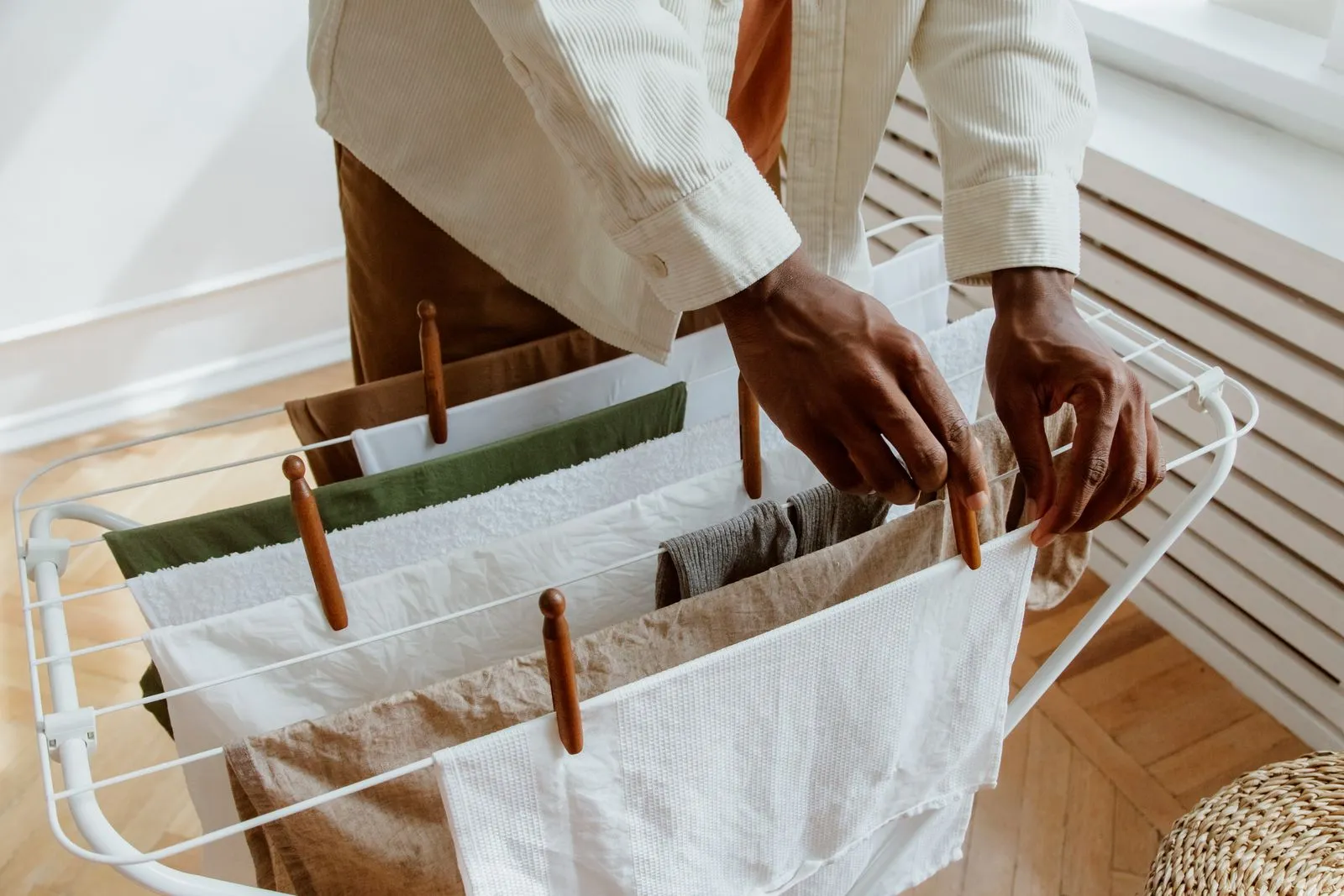
Household linens collect body oils, moisture, food residue, and dust as you use them. A steady washing routine helps keep them fresh and can prevent stains and odors from setting in. The right schedule depends on how often an item is used, who uses it, and whether it gets damp or visibly soiled. Use these practical intervals as a starting point, then wash sooner after spills, illness, or unusually heavy use.
Towels and Bath Mats
Wash bath towels after about three or four uses, provided you hang them fully open to dry between showers. Hand towels need more frequent attention because several people may use them throughout the day; launder them every few days or sooner when they feel damp, look dirty, or develop an odor.
Wash washcloths after each use, especially when they are used on the face or to clean the body. Launder bath mats weekly, and sooner if they stay wet, pick up visible dirt, or are shared by many people. Keep used towels out of piles or closed hampers while damp, since trapped moisture can lead to musty smells.
Sheets and Bedding
Wash sheets and pillowcases once a week for a typical household. Choose a shorter interval if you sweat heavily, sleep with pets, have allergies, or spend time in bed while sick. A fresh pillowcase every few days can also help when hair or skin products transfer onto the fabric.
Wash duvet covers and blankets every few weeks, or according to the care label and how directly they touch your skin. Comforters that sit beneath a washable cover usually need less frequent laundering. If bedding has a spill, bodily fluid, or illness-related soil, remove it promptly and follow the item’s care instructions.
Table and Kitchen Linens
Wash tablecloths and cloth napkins after each meal or gathering when they have food, drink, or grease on them. For a clean tablecloth used briefly without spills, you may be able to use it again, but check for crumbs and marks before putting it away. Treat stains as soon as practical so they are less likely to set.
Replace kitchen towels every one or two days, or immediately after using one to wipe up raw meat juices or other potentially contaminating messes. Wash dishcloths daily when they stay damp or handle frequent cleanup. Use separate cloths for hands, dishes, and food-contact surfaces, and let each dry between uses.
Other Frequently Used Fabrics
Wash reusable cleaning cloths after each cleaning session, particularly after bathroom or kitchen tasks. Launder reusable shopping bags when they show spills or dirt, and wash fabric pet bedding weekly or more often if it smells or collects hair. Follow care labels, since some coated or structured items need gentler treatment.
For any textile, wash sooner when it smells stale, feels greasy, has visible soil, or has been used during illness. Check labels before choosing water temperature or drying method, and avoid overcrowding the washer so detergent and water can reach the fabric. Keep clean linens fully dry before storing them.
A simple weekly routine works for many household textiles, with towels, kitchen cloths, and visibly soiled items needing more frequent care. Adjust the schedule to your household’s habits, and follow each item’s care label to protect its fabric. For help with small-batch laundry, Coastline Textile Care can discuss your linen needs.